
- Reading aloud to a child from infancy is the single strongest predictor of whether they'll love reading later
- Three conditions are common to homes that raise readers: books at child height, an adult who is visibly reading, and a daily unscheduled reading window
- For ages 9-12, fluency-building series matter more than literary merit — children who fall into a series read more and read better
- Continue reading aloud well after children can read independently — this keeps the love alive while decoding skill catches up between ages 6 and 8
- Comics, graphic novels, audiobooks, and fan fiction all count — children reading anything for fun build the same neural skills as those reading prose
- Reading as punishment, comprehension questions after every chapter, and strict reading-level enforcement are the most common ways parents accidentally kill reading at home
- A regular library or bookshop visit, even fortnightly, builds the ritual that keeps children reading without nagging
- Phones in the bedroom are the most common displacer of evening reading — devices charging outside the room from age 10 helps significantly
Not the staged photo with a thick book. The real thing — a child who reaches for a story when they are bored, sad, curious, or just because. Here's what the homes that grow readers tend to do quietly, every day.
There is a very specific kind of disappointment in watching a child you love grow up unwilling to read. Not unable, that is a different conversation. Unwilling. The book in front of them, the screen in their hand, and the gulf between them widening through every quiet evening.
The good news is that reading is not a personality trait, it is a habit, and habits can be built. The houses that grow readers are not unusually intellectual or unusually disciplined. They have a few small things in common, and most of them have nothing to do with the books themselves.
Start before they can read
The single strongest predictor of whether a child will love reading is whether they were read to before they could read themselves. Not lectured at, not tested, just read to. Your voice, their head against your shoulder, the same favourite book for the eleventh time this week.
Begin from infancy if you can. Babies don't follow plot, but they follow you, and they are learning that books are something the people they love sit close for. By two, the rhythm is set. By four, you are no longer building the habit so much as feeding it.
The three conditions every reading home seems to share
Books at child height Not on the top shelf. Not in a glass case. On a low shelf, a basket on the floor, the windowsill in their bedroom. A child who has to ask permission to touch a book will not develop a relationship with one.
A reading adult, visibly Children read what they see modelled, far more reliably than what they are told. If they have only ever seen you reading on a phone, they have learned that long-form reading is not something adults do. Sit on the sofa with a book sometimes, even for fifteen minutes. They are watching.
An unscheduled twenty minutes Books need a slot to settle into. Most reading homes have a soft window every day, after dinner, before bed, after lunch on weekends, where there is nothing else to do and a book is the most interesting option in the room.
What to do at each age
0 to 2 years
Board books, repetition, pointing at pictures. The story doesn't matter, the togetherness does. Twenty minutes a day, broken into tiny pieces, is plenty. Don't worry if they chew the corners.
3 to 5 years
Picture books with rhythm and rhyme, stories you can perform a little, voices, pauses, gentle drama. Let them choose, even when they choose the same book for a month. Repetition is not a problem to solve, it is the brain doing exactly what it should.
6 to 8 years
The transition years. They are learning to decode words on their own and it is hard work, the joy can dip here. Keep reading aloud to them well after they can read on their own, this is the most commonly skipped step. Aloud reading is a different brain experience from solo reading, and it keeps the love alive while the skill catches up.
9 to 12 years
Series. Series. Series. Children who fall into a series read more, period. Don't worry about literary merit yet, worry about volume. A child reading the seventh book of a series they love is building a muscle that will later carry them through harder books.
13 and up
Step back. Recommend, don't require. Give them access to a library card, a budget for books, or a kindle if that is what gets read. At this age the parent who pushes hardest gets read least.
Things that quietly kill reading at home
- Reading as punishment for bad behaviour. "Go to your room and read." Now reading is what you do when you are in trouble.
- Comprehension questions after every chapter. Stories become tests. Tests become a thing to avoid.
- Strict reading levels. If a strong reader wants a "younger" book, let them. If a weaker reader wants a thick one, let them try. Levels are guides, not rules.
- Disapproval of comics, graphic novels, or fan fiction. All of these build vocabulary, narrative comprehension, and the muscle of finishing things. A child reading anything for fun is a child becoming a reader.
- Phones in the bedroom. The most common thing that displaces evening reading isn't lack of time, it's a screen on the bedside table.
The library habit
One of the most underrated things you can do is take your child to a library or bookshop on a regular schedule. Once a fortnight is enough. Let them choose. Let some choices be terrible. The point is the ritual, not the curation. Children who associate books with an outing they look forward to read more, with no nagging required.
The home that grows a reader is not the one with the most books. It is the one where books are easy to reach, easy to choose, and easy to abandon halfway through if a better one comes along.
If your child already says they hate reading
This is almost always a story about a bad first match, not a child who cannot love reading. Find out what the last book they enjoyed was, even if it was years ago, and find ten more like it. If they have never enjoyed one, try comics or audiobooks for a season. Audiobooks count, despite what some of us were raised believing, the brain processes story the same way and the love grows on the same scaffold.
Then drop the pressure. A child who feels watched while reading rarely falls in.
Questions parents ask us
At what age should I start reading to my child?
From birth. The words won't be understood for a long time, but the closeness, your voice, and the rhythm of language are all being absorbed. By six months, books should be a regular, recognisable part of their day.
How long should a daily reading session be?
For toddlers, ten to twenty minutes total is plenty, broken into short bursts. For school-age children, aim for twenty to thirty minutes of either solo reading or being read aloud to. Consistency matters far more than length.
Do audiobooks count as reading?
For comprehension and love of story, yes. For decoding practice, no. The best approach for most children is a mix, audiobooks for long stories and time in the car, paper or e-readers for daily reading practice.
My child only reads comics. Should I worry?
No. Comics and graphic novels build vocabulary, inference, and narrative skill, and they are a real bridge to longer prose. Children who read comics typically read more total words than children who read only "approved" books.
Should I make reading a daily requirement?
A daily window is helpful, a daily quota measured in pages is usually counterproductive. The aim is for reading to feel like rest, not homework.
How do I get a teenager to read?
Stop asking. Leave excellent books visibly around the house, give them a book budget or a library card, and read yourself. Teenagers respond to atmosphere, not instruction.

 How STREAM-Based Toys Quietly Build Sharper, More Curious Thinkers
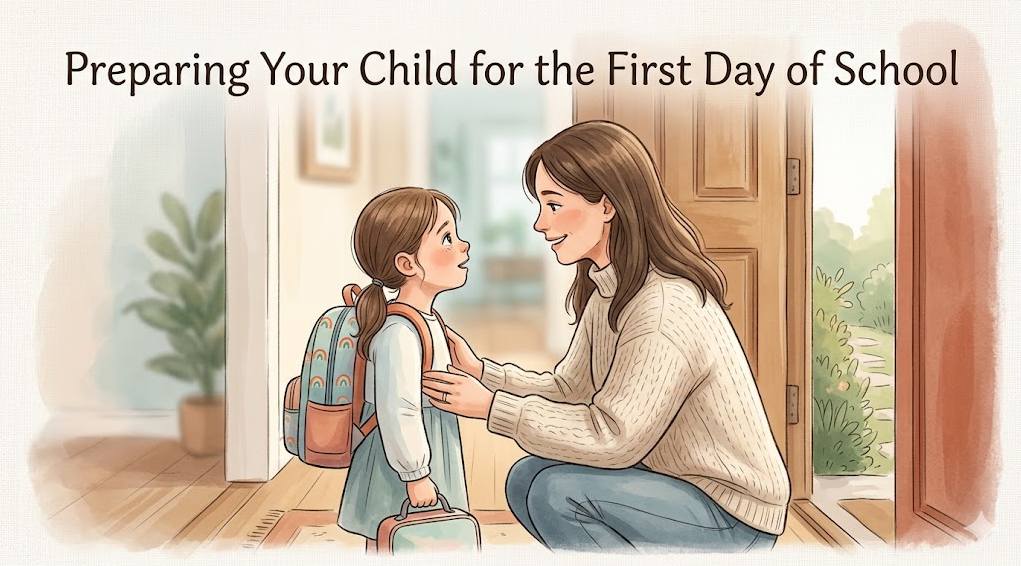 Preparing Your Child for the First Day of School (Without the Drama)
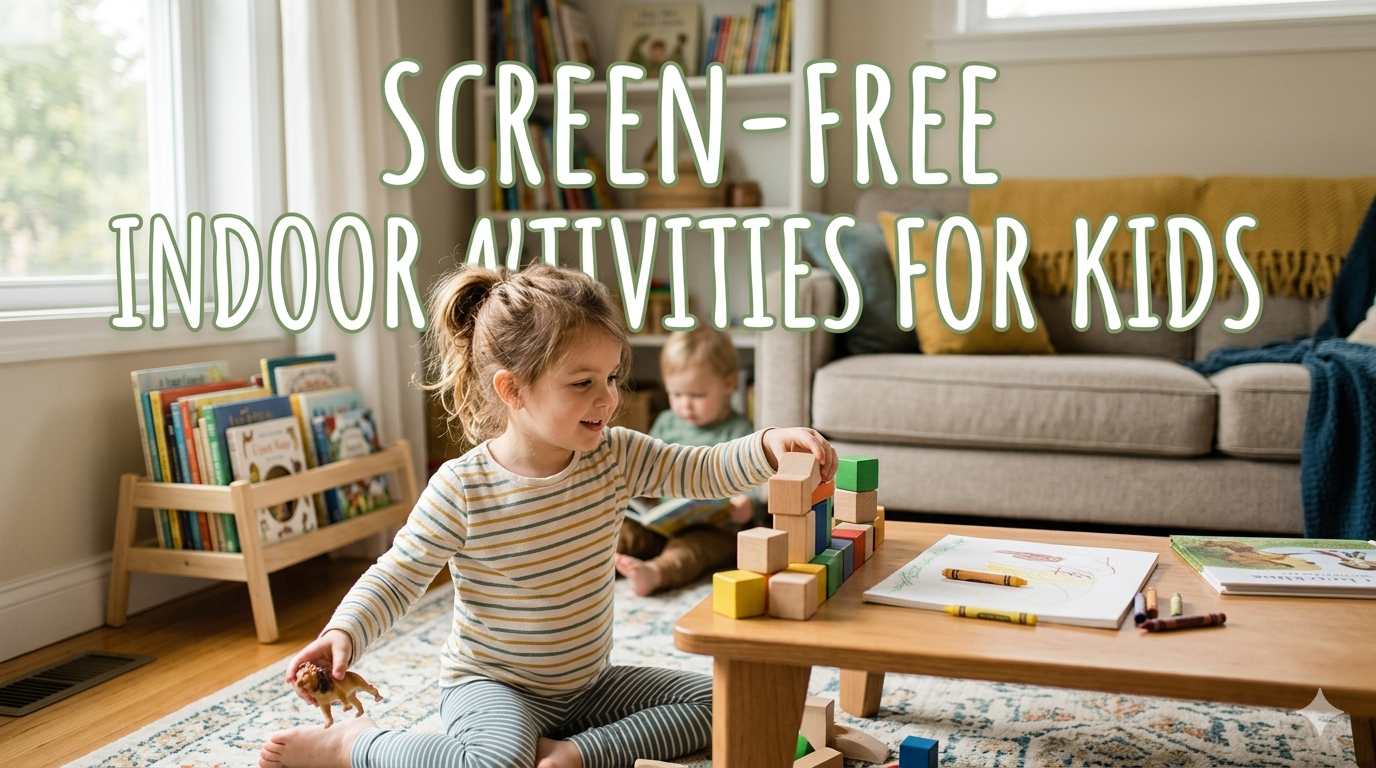 50 Screen-Free Indoor Activities for Kids (Tested by Real Parents)